
In 2025, the landscape of MBA admissions has evolved significantly. Traditional requirements, such as the GMAT (Graduate Management Admission Test), are no longer the sole gateway to pursuing a Master of Business Administration. Many top-tier business schools worldwide have introduced alternative pathways, offering opportunities for candidates without GMAT scores to gain admission. This article delves into the reasons behind this shift, explores notable programs that do not require the GMAT, and provides insights into how prospective students can navigate this new terrain.
Key Takeaways
- The GMAT is no longer mandatory at many top business schools.
- Work experience, academic records, and leadership skills now play a central role in admissions.
- International and online MBA programs without the GMAT are gaining traction.
- Admissions are still competitive, and a strong holistic profile is crucial.
- Always verify GMAT policies directly with the school before applying.
Understanding the Shift Away from GMAT Requirements
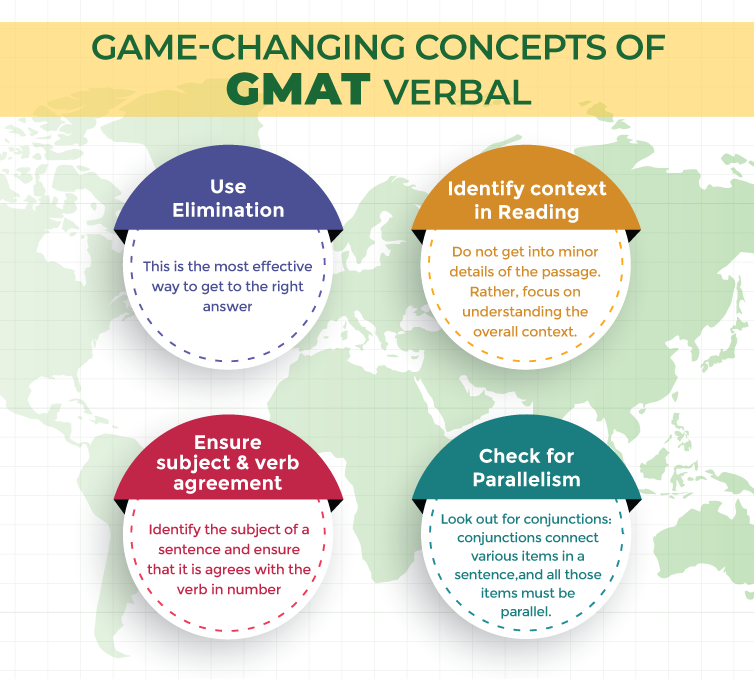
The GMAT has long been considered a benchmark for assessing the analytical and quantitative abilities of MBA applicants. However, several factors have contributed to the growing acceptance of alternative admission criteria:
1. Recognition of Diverse Skill Sets
Business schools are increasingly acknowledging that leadership potential, professional experience, and academic achievements can be as indicative of success in an MBA program as standardized test scores. By broadening their admission criteria, institutions aim to attract a more diverse and experienced cohort of students.
2. Focus on Holistic Admissions
Many schools are adopting a holistic approach to admissions, evaluating candidates based on a combination of factors, including work experience, academic performance, leadership qualities, and personal statements. This shift allows for a more comprehensive assessment of an applicant’s potential.
3. Response to the COVID-19 Pandemic
The global pandemic disrupted standardized testing schedules and access, prompting many institutions to temporarily waive GMAT requirements. Some schools have extended these waivers into 2025, recognizing the ongoing challenges faced by prospective students.
4. Emergence of Alternative Assessments
Institutions are developing their own assessment tools to evaluate candidates’ readiness for MBA programs. For instance, the RSM Business Admissions Test (BAT) offers an alternative to the GMAT, focusing on evaluating applicants’ business acumen and problem-solving abilities.
Top MBA Programs Without GMAT Requirements in 2025
Several prestigious business schools have introduced MBA programs that do not require GMAT scores. Below is a curated list of notable programs:
United States
- University of Michigan – Ross School of Business: Offers a Full-Time MBA program where applicants can apply without submitting standardized test scores. Candidates must submit a Statement of Academic Readiness, demonstrating their preparedness through alternative evidence, such as a master’s degree in an analytical discipline or significant professional experience.
- University of Rochester – Simon Business School: Allows applicants to apply for their Full-Time MBA program without submitting a GMAT, GRE, or Executive Assessment score. The school encourages applicants to choose the option that best highlights their strengths.
Canada
- University of Toronto – Rotman School of Management: Grants GMAT waivers for high-achieving students with a strong academic background or leadership roles. The curriculum focuses on integrative thinking and real-world business challenges.
- McGill University – Desautels Faculty of Management: Waives the GMAT for students with a GPA of 3.2+ and strong leadership credentials. The school employs a case-based learning approach and boasts a high employment rate for graduates.
Europe
- Rotterdam School of Management, Erasmus University (Netherlands): Offers an International MBA program where candidates can apply without GMAT scores if they have substantial professional experience or advanced degrees. Alternatively, candidates can take the RSM Business Admissions Test (BAT).
- University of Mannheim – Mannheim Business School (Germany): Allows applicants to apply without a GMAT score under certain conditions, such as significant professional experience or strong academic records.
Australia
- Monash Business School (Monash University): Offers a GMAT-free MBA program for experienced professionals, emphasizing leadership and global exposure. The course is designed for candidates with at least three years of professional experience.
- Macquarie Business School (Macquarie University): Provides a flexible MBA program without requiring GMAT scores, focusing on global business dynamics and leadership roles.
Online Programs
- Quantic School of Business and Technology: An online private business school that offers accredited MBA programs without requiring standardized exams like the GMAT. The school utilizes a mobile-first learning platform and is known for its gamified active learning methods.
- University of the People: Offers a fully online, accredited, tuition-free MBA program. While there are no tuition fees, students pay a small assessment fee per course, bringing the total expected cost to $4,860. The program does not require a GMAT and is designed for flexibility.
How to Qualify for MBA Programs Without the GMAT
While the absence of GMAT requirements opens doors for many applicants, it’s essential to understand the alternative criteria that schools may consider:
1. Professional Experience
Many programs prioritize candidates with substantial work experience. For instance, ISB’s PGPpro and PGPMAX programs require at least five years of work experience for eligibility.
2. Academic Achievements
A strong academic record can compensate for the lack of standardized test scores. Schools may look for candidates with high GPAs or advanced degrees in relevant fields.
3. Leadership and Extracurricular Activities
Demonstrated leadership skills and active participation in extracurricular activities can enhance an applicant’s profile, showcasing qualities that are valuable in business settings.
4. Personal Statements and Recommendations
Compelling personal statements and strong letters of recommendation can provide insights into an applicant’s character, motivations, and potential for success in an MBA program.
5. Alternative Assessments
Some institutions offer their own assessment tools to evaluate candidates. For example, the RSM Business Admissions Test (BAT) serves as an alternative to the GMAT, focusing on evaluating applicants’ business acumen and problem-solving abilities.
Also Read :-Which Are The Top MBA Courses Ranked For 2025?
Conclusion
So, can you really get an MBA without the GMAT in 2025? The answer is a resounding yes—but with some caveats. The GMAT is no longer a gatekeeper for many prestigious MBA programs across the globe. The shift towards holistic admissions has created more inclusive and accessible opportunities for a diverse range of applicants.
However, that doesn’t mean the admissions process is any easier. Without a GMAT score, you must showcase your readiness through other means—work experience, academic achievements, leadership roles, and personal vision.
Ultimately, the right path depends on your profile, goals, and the program you’re targeting. For those who feel the GMAT doesn’t reflect their potential, 2025 is the perfect time to explore new MBA pathways.
FAQs
1. Are GMAT waivers available for all MBA programs?
No, not all MBA programs offer GMAT waivers. Each school sets its own policy. While many top schools have introduced test-optional or waiver options, others still consider the GMAT a core part of their admissions process. Always check the latest guidelines on the school’s official website.
2. Do I need a specific amount of work experience for GMAT-free MBA programs?
Yes, many GMAT-optional or GMAT-waiver programs prefer or require applicants to have a certain level of professional experience—typically 2 to 5 years. This is especially common in Executive MBA (EMBA) or part-time MBA tracks.
3. Will applying without a GMAT score reduce my chances of admission?
It depends on your overall profile. If your academic background, professional achievements, and leadership experience are strong, your chances can be just as high—or even higher—than someone with a good GMAT score but limited work experience. However, weaker candidates may find the GMAT a useful way to strengthen their application.
4. Can international students apply to MBA programs without the GMAT?
Absolutely. Many universities in countries like the USA, Canada, Australia, and parts of Europe accept international applicants without a GMAT score. However, you might still need to meet English language proficiency requirements like IELTS or TOEFL.
5. Are online MBA programs without GMAT as valuable as traditional ones?
Yes—if the program is accredited and recognized. Many top universities now offer online MBA degrees that do not require the GMAT. Programs like those from the University of Illinois (iMBA), Quantic School of Business, and University of the People are gaining respect in the global job market.
6. Is it possible to apply for scholarships without a GMAT score?
Yes, but options may be limited. Some scholarships are merit-based and tied to GMAT performance, but others consider overall achievement, leadership potential, and financial need—factors that don’t require test scores.
7. How can I make my application strong without the GMAT?
Focus on:
- A compelling Statement of Purpose (SOP)
- Strong letters of recommendation
- Demonstrated leadership and career progression
- High GPA or academic performance
- Certifications or relevant coursework
- Clear career goals and personal branding