

Introduction
In today’s rapidly evolving business landscape, earning an MBA (Master of Business Administration) can be a game-changer for your career. The right MBA program not only equips you with essential management skills but also offers invaluable networking opportunities, exposure to global business practices, and a stepping stone to leadership roles.
With 2025 just around the corner, it’s vital to choose an MBA program that aligns with future market demands, technological advancements, and your personal career goals. This article will guide you through the best MBA programs to consider in 2025, what makes them stand out, and how they can boost your career.
Key Takeaways
- The best MBA programs blend rigorous academics with practical experience and strong networks.
- Choose a program aligned with your career goals and lifestyle.
- Consider program format (full-time, part-time, online) and specialization options.
- Top-ranked schools include Harvard, Stanford, INSEAD, LBS, Wharton, and MIT Sloan.
- MBA graduates often see significant salary increases and career advancement.
- Online and flexible MBA options are growing in quality and availability.
- An MBA is a powerful tool for career switching and leadership development.
Why Choose an MBA in 2025?
The business world is more competitive and dynamic than ever. Companies are looking for leaders who can navigate uncertainty, leverage digital transformation, and inspire innovation. Here are a few reasons why pursuing an MBA in 2025 is a smart career move:
- Digital Transformation: Businesses increasingly demand skills in AI, data analytics, and digital marketing.
- Globalization: Cross-cultural management and global business strategies are critical.
- Leadership and Soft Skills: Emotional intelligence, adaptability, and communication remain crucial.
- Networking: MBA programs offer access to influential alumni and industry leaders.
- Career Switching: Many use MBAs to transition into new industries or roles.
What Makes an MBA Program the “Best”?

Before diving into specific programs, it’s important to understand what factors define the best MBA programs:
- Curriculum Relevance: Focus on emerging technologies, entrepreneurship, and real-world applications.
- Faculty Expertise: Professors with industry experience and research credentials.
- Alumni Network: Strong connections can open doors globally.
- Career Support Services: Quality placement support and internships.
- Flexibility: Options like part-time, executive, or online MBAs to fit various lifestyles.
- Global Recognition: Accreditation and rankings matter for international credibility.
- Specializations: Availability of niche tracks like healthcare, fintech, or sustainability.
Top MBA Programs to Boost Your Career in 2025
1. Harvard Business School (HBS) – USA
Why it stands out: Harvard consistently ranks as the top MBA program globally. Its case study method encourages critical thinking and practical learning. HBS offers a vast global network and strong career placement, especially in consulting, finance, and tech.
Career impact: Graduates often secure roles in top-tier firms with competitive salaries.
2. Stanford Graduate School of Business – USA
Why it stands out: Known for entrepreneurship and innovation, Stanford’s MBA is ideal for those interested in tech startups and venture capital. The school’s proximity to Silicon Valley offers unique exposure.
Career impact: Graduates frequently become founders or key players in emerging companies.
3. INSEAD – France / Singapore / Abu Dhabi
Why it stands out: INSEAD is known for its intense one-year program and diverse international cohort. It’s a top choice for those seeking a truly global perspective and accelerated career growth.
Career impact: Strong placements in consulting, finance, and global business roles.
4. London Business School (LBS) – UK
Why it stands out: LBS offers a flexible 15-21 month MBA with strong ties to European and global markets. Its multicultural environment supports leadership development in international business.
Career impact: Graduates excel in finance, consulting, and entrepreneurship across Europe and beyond.
5. Wharton School, University of Pennsylvania – USA
Why it stands out: Wharton is renowned for finance and data-driven decision-making. Its extensive alumni network and research focus prepare students for leadership in diverse sectors.
Career impact: High placement rates in investment banking, private equity, and corporate strategy.
6. MIT Sloan School of Management – USA
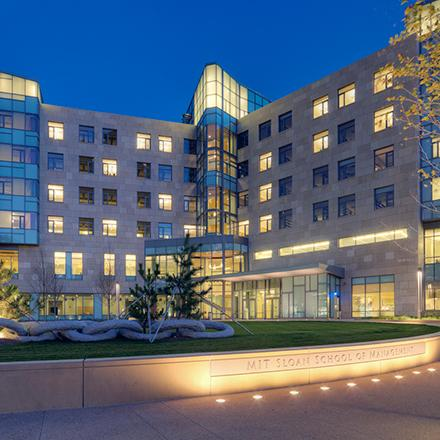
Why it stands out: Sloan emphasizes innovation, technology management, and entrepreneurship. Strong ties to the tech sector make it ideal for those targeting roles in digital transformation.
Career impact: Graduates often join tech firms or launch their own ventures.
7. IE Business School – Spain
Why it stands out: IE is known for its digital MBA programs and focus on entrepreneurship. Its innovative teaching approach appeals to career switchers and global professionals.
Career impact: Strong growth in digital business, consulting, and startups.
8. Indian Institute of Management Ahmedabad (IIMA) – India

Why it stands out: One of Asia’s premier business schools, IIMA has a rigorous curriculum with a focus on leadership and analytics. Increasingly recognized globally, it is a top choice for those targeting Asia-Pacific markets.
Career impact: Graduates often take leadership roles in multinational corporations and startups.
9. Chicago Booth School of Business – USA
Why it stands out: Booth combines academic rigor with practical leadership training. Known for its analytical approach and finance expertise.
Career impact: Graduates thrive in finance, consulting, and corporate leadership roles.
10. University of California, Berkeley Haas School of Business – USA
Why it stands out: Haas champions innovation and social impact. Its proximity to Silicon Valley fuels entrepreneurship and tech management.
Career impact: Strong in tech, startups, and sustainable business leadership.
How to Choose the Right MBA Program for You
Choosing the best MBA program is a personal decision. Here are key factors to consider:
- Career Goals: Are you targeting finance, tech, consulting, or entrepreneurship?
- Location: Do you want to work locally or internationally?
- Program Format: Full-time, part-time, executive, or online?
- Cost and ROI: Consider tuition fees versus expected salary increase.
- Culture and Fit: Visit campuses, talk to alumni, and attend info sessions.
- Specializations: Does the program offer your preferred area of focus?
- Networking Opportunities: Look at the strength of the alumni network.
Also Read :-The importance of internships during your MBA program
Conclusion
Choosing the best MBA program in 2025 is a strategic decision that can profoundly impact your career trajectory. With a multitude of world-class programs available worldwide, focus on your career goals, learning preferences, and personal circumstances to find the right fit.
Programs like Harvard, Stanford, INSEAD, and London Business School continue to dominate due to their academic rigor, powerful alumni networks, and industry connections. Meanwhile, emerging programs in Asia and digital-first schools offer innovative approaches to meet future demands.
An MBA in 2025 is not just a degree — it’s a transformative experience that prepares you to lead, innovate, and succeed in an ever-changing global business environment.
FAQs
1. What is the difference between a full-time MBA and an executive MBA?
A full-time MBA is usually a 1-2 year program designed for early to mid-career professionals, while an executive MBA (EMBA) is part-time and tailored for senior executives with significant work experience.
2. Can I pursue an MBA online in 2025?
Yes, online MBAs have grown significantly and many top schools now offer accredited, flexible online programs with the same curriculum and faculty as on-campus.
3. How important are MBA rankings when choosing a program?
Rankings provide a general benchmark but should not be the sole factor. Focus on program fit, specializations, and career outcomes.
4. What are common MBA specializations to consider?
Popular specializations include Finance, Marketing, Operations, Entrepreneurship, Technology Management, and Healthcare.
5. How much can I expect to earn after an MBA?
Salaries vary widely based on location, industry, and experience, but many MBA grads see a 30-100% increase in salary within a few years post-graduation.
6. How competitive is MBA admission?
Top programs are highly competitive, requiring strong academic records, work experience, GMAT/GRE scores, and leadership potential.
7. Can an MBA help with career switching?
Absolutely. Many pursue MBAs specifically to pivot industries or functions, leveraging coursework, internships, and networks.